
Searching the Waynetown Court Docket
The free route is the official Indiana MyCase public search. A Waynetown matter filed in Montgomery County can show up under Montgomery Circuit Court. It may also appear under Montgomery Superior Court 1 or Montgomery Superior Court 2. Local assignment rules tend to route infractions and ordinance violations to Superior Court 2. Still, the case caption and court identifier decide, not the place name.
Have the person or business name ready. Add an approximate filing year and any case or ticket number. MyCase is broad and public. Doxpop offers another statewide search route. When the online record is unclear or something is missing, call the Montgomery County Clerk rather than Waynetown City Hall.
- Search MyCase by name, case number, or citation details.
- Filter the results to Montgomery County when possible.
- Open the case summary and verify the party, court code, and case type.
- Read the chronological case summary, often called the CCS, for settings and filings.
- Confirm a live hearing or request an official copy from the county Clerk.
Waynetown Uses County Courts
Check the current Indiana Odyssey courts list and the pattern is clear. No active Waynetown town or municipal court appears there. The same directory lists three active Montgomery County courts instead. That matters. A search aimed at a city-court office will land on a court that no longer hears cases.
Key point: A Waynetown location or issuing agency does not create a Waynetown court docket. Verify the active court named in MyCase.
Under the local plan, an ordinance or traffic filing most likely goes to Superior Court 2. Other cases follow different county rules. Criminal, civil, probate, and family matters may be assigned elsewhere.
Waynetown Municipal Court Basics
Waynetown has no municipal court today. The heading answers a common search phrase, nothing more. Identify an active Montgomery Circuit or Superior Court case by its own code rather than by a stale directory listing. The official court directory is the safer word on current jurisdiction.
Waynetown Town Hall sits at 106 North Vine Street and handles city administration, departments, and municipal meetings. It is not the county docket counter. City notices and local agency information belong on the official Waynetown city site. The Montgomery Clerk keeps the active county case record.
Waynetown Courthouse Search Desk
Waynetown residents do their docket business at the county counter in Crawfordsville. The Montgomery County Courthouse stands at 100 East Main Street. Sondra Dittmer Sixberry, Clerk of the Circuit Court, maintains the court files from Room 102 on the first floor. Listed office hours run 8:00 a.m. to 4:30 p.m. Monday through Friday. Legal holidays are excluded.
Montgomery County Clerk
100 East Main Street, Room 102
Crawfordsville, IN 47933
765-364-6430
Fax: 765-364-6355
Call ahead when timing is tight. The Clerk can identify the court, explain the copy-request channel, and confirm whether the official file holds material the online record leaves out.
Court Dates and Settings in Waynetown
A MyCase setting only means an event was scheduled. It proves nothing about what later occurred. Check the CCS for a reset, continuance, order, or disposition posted after the calendar entry. For a hearing coming up soon, confirm the date. Use the court contact shown on the case. Montgomery courts also publish calendars under Indiana Administrative Rule 9. A public calendar can omit confidential matters and may change.
| Date | The scheduled day shown in the case summary. |
|---|---|
| Time | The listed start time, which may be part of a larger docket call. |
| Court | The active court code, such as 54C01, 54D01, or 54D02. |
| Judge | The judicial officer tied to the setting. |
| Setting Type | The purpose, such as initial hearing, pretrial, motion hearing, or trial. |
Never treat a city meeting calendar as a court calendar. Municipal boards and county judges publish different events for different public functions.
Waynetown Court Codes Explained
Every Montgomery County case number opens with county code 54. The next segment names the court. 54C01 marks Montgomery Circuit Court. 54D01 marks Superior Court 1, and 54D02 marks Superior Court 2. After that come the filing year, a case-type code, and the sequence.
- CCS
- Chronological Case Summary, the dated list of filings, settings, and orders.
- IF
- The Indiana case-type code commonly used for an infraction filing.
- OV
- The code used for an ordinance-violation case.
- Disposition
- The recorded outcome of a charge, claim, or case.
Trust the code over the word Waynetown in an address or police-agency field.
Traffic Tickets in Waynetown
A ticket written in Waynetown usually becomes a Superior Court 2 infraction. It is not a city-court case. Search the citation in MyCase first. The official Indiana ePay portal finds eligible tickets by UTT or ticket number. It also searches by driver-license details, or by name and date of birth. Not every ticket qualifies for payment there, and MyCase offers the broader case-search options.
Paying is not a simple record request. Indiana ePay warns that a payment can carry a plea or admission and waive trial. Anyone planning to contest a citation should follow the case and court instructions. Pay money only after that review. The county-wide Montgomery County traffic ticket record discussion covers citations, dates, and court channels in more depth.
Waynetown Docket Versus City Files
The city and the county keep separate records. Waynetown holds ordinances, council minutes, permits, and police administrative documents. The county Clerk holds the CCS and the official file for any case assigned to an active Montgomery court. Asking the right office first avoids a needless referral.
| Need | Starting office | Likely record |
|---|---|---|
| City ordinance text | Waynetown administration | Municipal code or ordinance |
| Filed ordinance case | Montgomery County Clerk | CCS and court file |
| Hearing date | MyCase or assigned court | Current setting |
| Certified court copy | Montgomery County Clerk | Certified filing or order |
A city document may explain the rule at issue. It still does not replace the case record showing what the court did.
Where Waynetown Cases Go
Where a Waynetown filing lands depends on its case type and the county's assignment plan. Ordinance violations and infractions go to Montgomery Superior Court 2. The rest is split under local rules. Criminal matters, civil claims, probate, family, juvenile, and small-claims cases are divided among the active courts. A transfer order can also relocate a case. So trust the current CCS over the first assignment you see on the docket.
Docket flow: Waynetown agency or event › Montgomery County Clerk filing › Montgomery Circuit Court or Montgomery Superior Court
The Montgomery County court docket overview maps all the active trial courts. For a Waynetown matter, the advice is simple. Keep the full case number handy and follow whichever court that number points to.
Waynetown Docket History Downtown
Waynetown counted 960 residents in the 2020 Census. A state estimate puts the figure at 976. Yet the town and its court custodians stay separate. Downtown, the courthouse at 100 East Main is the county's third courthouse iteration. It dates to 1876. County reporting notes recent renovation work. The Clerk moved to the first floor to improve access. The building is historic; the case-search system is not. All three active courts joined the Odyssey system on January 29, 2018. That history explains a split you may see in a docket search. MyCase shows modern electronic summaries. Older, sealed, or unavailable documents may still need direct Clerk help. The public directory lists no active town court. That confirms new matters follow the county filing path.
Waynetown Court Record Access Rules
Court records in Indiana answer mainly to the Indiana Rules on Access to Court Records. Rule 4 starts from openness. Rules 5 and 6 then mark out confidential or excluded material. They also govern how records get released. Juvenile, adoption, mental-health, sealed, and similar protected information may never surface in a public Waynetown docket search.
Key rules:
Indiana Access to Court Records Rule 4 states the general public-access framework.
Access Rule 5 identifies court records that remain confidential or excluded.
Indiana's Access to Public Records Act reaches many agency records. Judicial case access is different. It follows the court rules, so when MyCase lacks a document you need, ask the Clerk about an official copy or the proper request process.
Confirm Waynetown Docket Results
Treat any docket result as a lead, not a final word. Names can match, filings can lag, and a scheduled event can move. Check the full name, case number, county code, court, case type, and current status. Then compare the latest CCS entry against the setting. That quick check keeps an old event from being confused with your next required appearance. Doxpop offers another search route. Still, the Clerk and the court hold the official record. A public summary is fine for finding the case. A certified copy, a complete-file question, or an urgent scheduling issue belongs with the originating Montgomery court or Clerk. City Hall can handle municipal questions. But only the county court record establishes the active Waynetown case history.
Waynetown Records Need Two Offices
The official Waynetown Clerk-Treasurer page documents town office hours and contact details.
That municipal counter keeps no Montgomery court docket entries. The Waynetown Town Council page identifies the Community Room and meeting place.
A council meeting date is not a court hearing setting. Indiana Administrative Rule 8 explains the statewide case-number system.
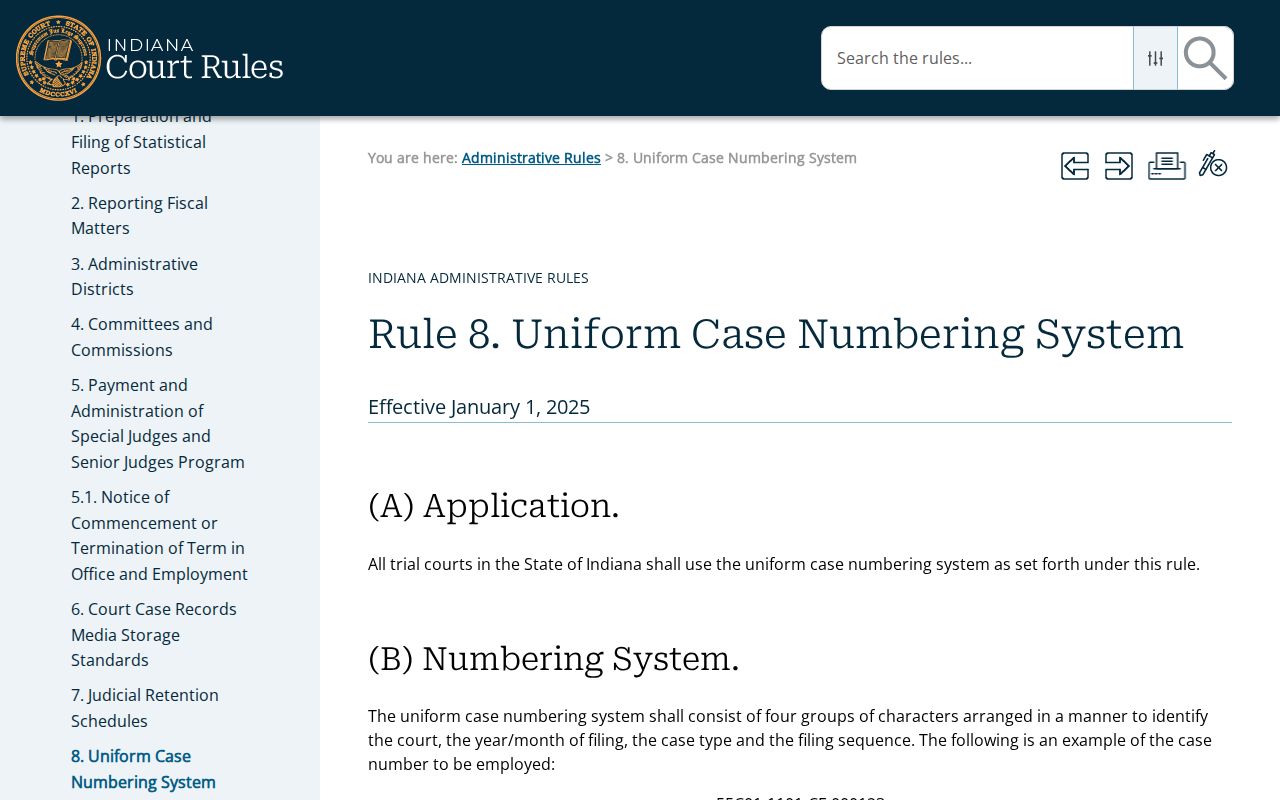
The county code and court code provide a sounder route than the event location.
Waynetown Wednesday Search Plan
The Wednesday closure is a useful distinction for searchers. Need a town minute? Plan around the local schedule. Checking a hearing instead? Contact the assigned Montgomery court directly. Neither the Community Room calendar nor a council agenda can change the CCS. If a ticket search returns no match, recheck the spelling and citation number in MyCase, then call the county Clerk. Keep the issuing agency, court code, and case type separate. That habit stops a town address from being mistaken for the place the judicial file actually lives.